One-Stop Custom Metal Parts Manufacturing Service
 English English

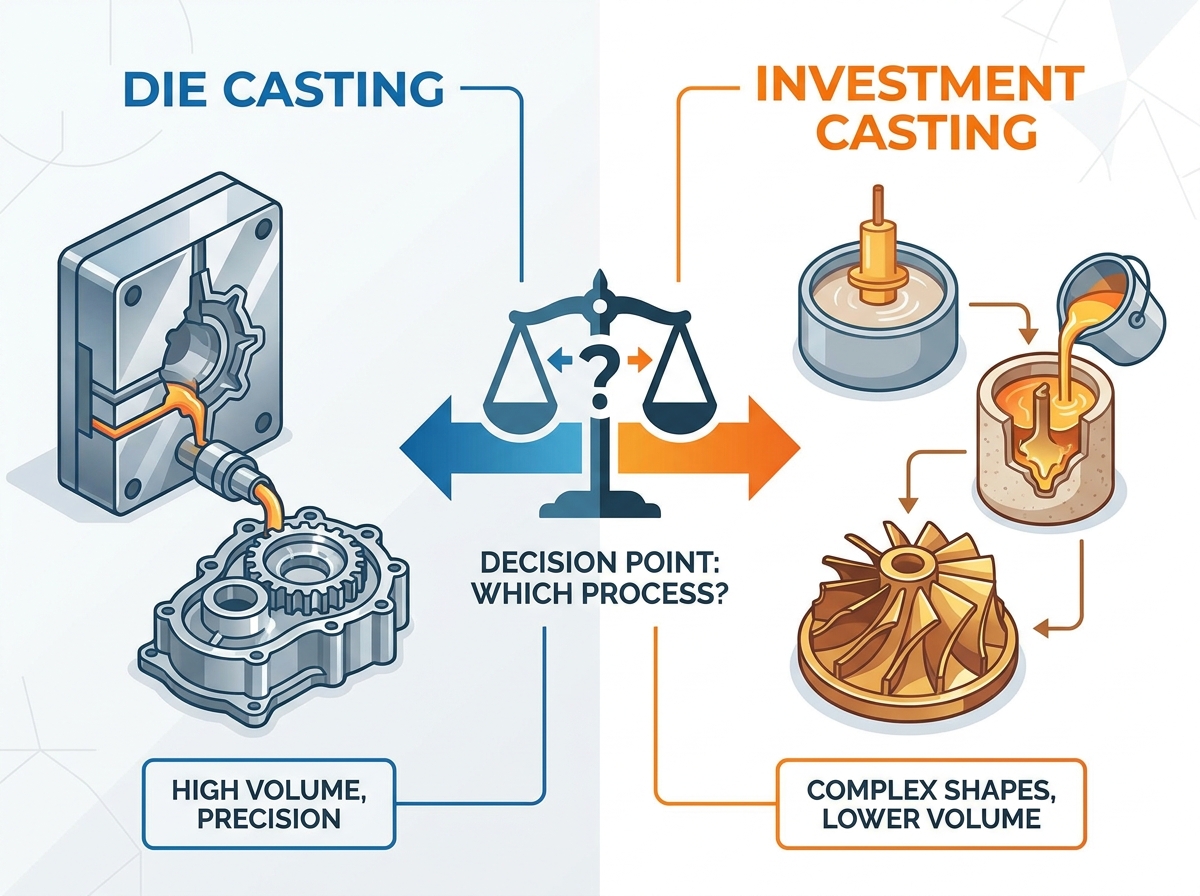


Selecting the wrong manufacturing method carries severe operational risks. Engineering and procurement teams often face production delays and compromised mechanical properties when a casting process mismatches the component design intent.
READ MORE
Submitting a vague Request for Quotation (RFQ) to manufacturing partners introduces massive operational risks. Without precise specifications, buyers face hidden costs, inflated tooling estimates, and delayed production timelines.
READ MORE
Component failure in fluid-handling, pneumatic, and hydraulic applications carries immense operational risks. Microscopic leak paths trigger catastrophic system failures, product recalls, and unacceptable scrap rates. The core problem lies in the inherent nature of high-pressure manufacturing.
READ MORE
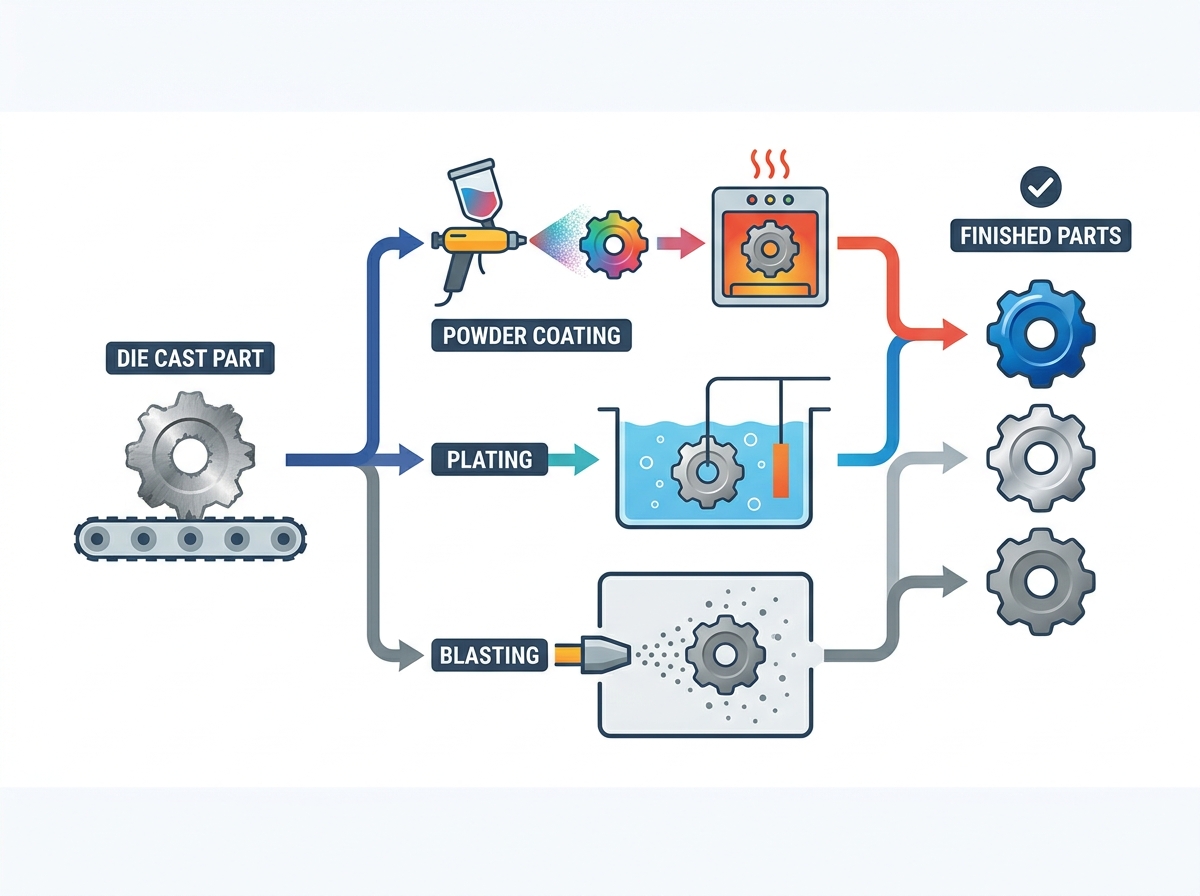
Raw components produced through casting operations rarely meet the stringent aesthetic, functional, or environmental requirements of final end-use applications without secondary processing.
READ MORE
Component failure in high-volume manufacturing carries compounding financial and operational costs. Discovering defects after final assembly is exponentially more expensive than detecting them early during the pressure die casting process.
READ MORE Hardened steel tooling is uncompromising. Once a mold is cut, design changes consume massive amounts of capital and add weeks to the production schedule. Engineering and procurement teams face immense pressure to validate complex part geometries, assembly fit, and functional performance before authorizing capital expenditure for mass production tooling.
READ MORE