Introduction
Exhaust manifolds play a crucial role in optimizing engine performance. They direct exhaust gases from the engine’s cylinders into the exhaust system, reducing emissions and enhancing engine efficiency. But, how does the material choice impact this vital component?
In this article, we will explore how stainless steel casting meets the demands of exhaust manifold design. You will understand why stainless steel is a preferred choice for modern engines, particularly in turbocharged and high-performance applications.
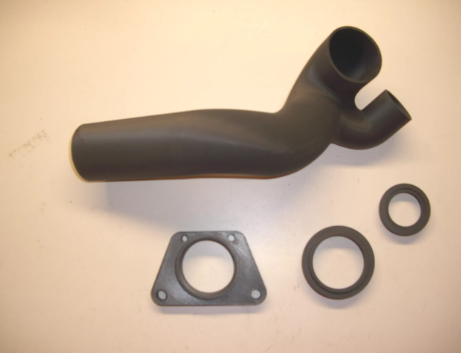
Key Functions and Design Considerations for Exhaust Manifolds
Exhaust Manifold Function in Engine Performance
An exhaust manifold serves as a key part of an engine's exhaust system. Its primary function is to collect exhaust gases from the engine’s cylinders and direct them into a single exhaust outlet, which then channels the gases through the rest of the exhaust system. This crucial function helps ensure optimal engine performance by maintaining the correct balance of backpressure and improving engine efficiency. If the exhaust gases are not properly directed, they can create additional resistance or backpressure that reduces engine output and efficiency.
In addition to optimizing exhaust flow, exhaust manifolds also help improve the overall performance of the engine by ensuring proper exhaust scavenging. Scavenging is the process where exhaust gases are expelled from the cylinder and replaced by fresh air or fuel, which is critical for engine power and fuel efficiency. Exhaust manifolds, when designed and manufactured properly, contribute to smooth engine operation, better throttle response, and reduced emissions, resulting in improved vehicle performance and overall driving experience.
Factors Influencing Exhaust Manifold Design
Several factors influence the design of exhaust manifolds, with heat resistance, flow efficiency, and structural integrity being the most critical considerations. Exhaust manifolds must be designed to withstand extremely high temperatures, often exceeding 1000°C (1830°F), especially in turbocharged engines. The material selected must resist thermal expansion, prevent cracking under thermal cycling, and maintain strength even under high heat conditions. Stainless steel excels in this regard, offering superior heat resistance compared to other materials like cast iron, which is prone to cracking and warping at high temperatures.
In addition to heat resistance, flow efficiency is a key factor in exhaust manifold design. The internal geometry of the manifold, including the smoothness of the passages, directly affects how efficiently exhaust gases flow through the system. Stainless steel casting offers greater design flexibility, allowing engineers to create manifolds with smoother internal passages, integrated collectors, and other complex features that improve flow efficiency, reduce turbulence, and enhance engine responsiveness. Structural integrity is another important design consideration. The manifold must remain strong and durable under extreme thermal and mechanical stresses, which is why stainless steel's resistance to cracking and corrosion is so valuable.
Performance and Durability Requirements for Manifolds
Exhaust manifolds are exposed to a variety of extreme conditions, including intense heat, thermal cycling, and corrosive gases, all of which demand high performance and durability. Stainless steel provides a reliable solution to these challenges due to its exceptional thermal stability and ability to resist cracking, warping, and corrosion over time. The material can handle constant exposure to high temperatures without losing its structural integrity, making it ideal for high-performance and industrial applications.
The durability of stainless steel manifolds reduces the need for frequent maintenance and replacements, making them a more cost-effective choice in the long term. Additionally, stainless steel's resistance to corrosion ensures that exhaust manifolds remain functional even in harsh environments where salt, water, and exhaust gases can cause significant wear on other materials. This longevity is particularly valuable in applications where downtime or replacement costs would be prohibitive.
Why Stainless Steel is the Best Choice for Exhaust Manifold Casting
Thermal and Corrosion Resistance of Stainless Steel
Stainless steel's superior thermal resistance makes it the best choice for exhaust manifolds exposed to extreme heat. Exhaust gases can reach temperatures of over 1000°C, and stainless steel is capable of maintaining its integrity under such high temperatures, unlike cast iron, which may crack or warp. This thermal stability is crucial for ensuring that the exhaust manifold performs consistently and reliably in demanding conditions.
In addition to its thermal resistance, stainless steel also offers excellent corrosion resistance. Exhaust manifolds are exposed to corrosive gases, including water vapor, sulfur compounds, and other chemical byproducts of combustion. Stainless steel resists oxidation and corrosion much better than cast iron, which can rust and deteriorate over time, especially in humid or salty environments. This resistance to corrosion ensures that stainless steel manifolds last longer and maintain their performance over time, even under harsh conditions.
| Property | Stainless Steel | Cast Iron |
| Temperature Resistance | Up to 1100°C (2012°F) | Cracks above 700°C (1292°F) |
| Corrosion Resistance | Excellent | Poor (rusts easily) |
| Weight | 30-40% lighter | Heavier, increases engine load |
| Thermal Fatigue Strength | High, resists cracking | Prone to thermal stress cracking |
| Design Flexibility | High, for complex shapes | Limited for forming |
| Lifespan | 10+ years | 3-5 years |
Design Flexibility and Durability with Stainless Steel
One of the key advantages of stainless steel in exhaust manifold design is its flexibility. Stainless steel casting allows engineers to create more complex and intricate designs than traditional casting methods, such as sand casting. The material’s ability to accommodate smooth internal passages, integrated collectors, and other intricate features allows for greater optimization of exhaust flow, reducing backpressure and improving engine performance.
Stainless steel’s durability is another significant benefit. The material can withstand thermal cycling, which is the repeated heating and cooling that occurs in engine systems. Stainless steel maintains its strength and performance even under these extreme conditions, reducing the risk of cracking or failure. This durability is essential for high-performance engines that operate at high temperatures for extended periods.
| Stainless Steel Grade | Characteristics | Ideal Application |
| 304 | Good corrosion resistance, economical, moderate heat resistance | General use, moderate temperature |
| 309 & 310S | High chromium and nickel content, excellent oxidation resistance | Turbocharged engines, high heat applications |
| 316 | Superior resistance to chemicals, marine environments | Marine, chemical exposure environments |
| 321 & 347 | Titanium or niobium stabilized for intergranular corrosion resistance | Engines with repeated thermal cycling |
| 409 | Affordable, moderate heat tolerance | OEM automotive applications |
Reducing Weight and Maintaining Strength in Exhaust Manifolds
Stainless steel is also significantly lighter than cast iron while maintaining comparable strength and durability. This reduction in weight is particularly valuable in high-performance vehicles, where every pound counts in improving acceleration, handling, and fuel efficiency. A lighter exhaust manifold also helps reduce the load on the engine, which can contribute to better overall vehicle performance and efficiency.
By using stainless steel, manufacturers can produce exhaust manifolds that are both strong and lightweight, offering a perfect balance of durability, performance, and weight reduction. This makes stainless steel the ideal material for modern automotive and industrial applications, where performance and efficiency are paramount.
Common Stainless Steel Casting Techniques for Exhaust Manifolds
| Casting Technique | Description | Ideal Use Cases |
| Investment Casting | High precision, complex geometries, minimal post-processing | High-performance and industrial applications |
| Sand Casting | Cost-effective, suitable for simpler designs | Large quantities, simpler designs |
| Pressure Casting | High-pressure injection for smooth surfaces and high precision | Specialized, high-precision applications (aerospace, military) |
Precision and Benefits of Investment Casting
Investment casting, also known as lost-wax casting, is a popular method for manufacturing stainless steel exhaust manifolds. This technique allows for the creation of highly precise and complex components with tight tolerances. The process involves creating a wax pattern of the exhaust manifold, which is then coated in a ceramic shell. Once the shell hardens, the wax is melted and drained away, leaving a hollow cavity that is filled with molten stainless steel.
Investment casting is ideal for producing exhaust manifolds with intricate internal passages, smooth flow channels, and complex geometries. This method minimizes the need for post-processing and results in components that require little finishing, reducing manufacturing time and costs. The precision and quality of investment casting make it the preferred choice for high-performance and industrial applications, where every detail counts.
Cost-Effective Sand Casting for Simpler Designs
Sand casting is another common method for producing stainless steel exhaust manifolds, especially when the design is less complex. In this process, a mold is made from sand, and molten stainless steel is poured into the mold to form the manifold. While sand casting is less precise than investment casting, it is a more cost-effective solution for producing larger manifolds with simpler designs.
For exhaust manifolds that do not require intricate internal features, sand casting offers a budget-friendly alternative that still provides the durability and performance benefits of stainless steel. This method is particularly useful for industrial applications where large quantities of manifolds are required, and high precision is not as critical.
Pressure Casting for High-Precision Exhaust Manifolds
Pressure casting, although less commonly used for stainless steel, is another technique that can produce high-precision exhaust manifolds. This method involves injecting molten stainless steel into a mold under high pressure, resulting in components with smooth surfaces and minimal defects. Pressure casting is suitable for applications where dimensional accuracy and surface finish are critical.
Though pressure casting is typically used for materials like aluminum or magnesium, it can be adapted for stainless steel in cases where high-precision exhaust manifolds are needed. This method allows manufacturers to produce exhaust manifolds with tight tolerances and high-quality surfaces, making it suitable for specialized applications in industries like aerospace or military.
Check out related metal fabrication tools and supplies to support casting and machining processes.
Performance Benefits of Stainless Steel Exhaust Manifolds
| Benefit | Description |
| Increased Power and Torque | Improved exhaust flow leads to better engine performance, boosting power and torque. |
| Enhanced Turbo Response | Reduced turbo lag and better engine responsiveness, especially in turbocharged engines. |
| Long-Lasting Durability | Stainless steel’s resistance to cracking and corrosion extends the lifespan of exhaust manifolds. |
| Fuel Efficiency | Optimized exhaust flow and reduced thermal losses improve fuel efficiency by up to 5%. |
| Emissions Reduction | Better exhaust flow helps meet strict emission standards, reducing unburned fuel expelled into the environment. |
Improving Engine Power and Torque
Stainless steel exhaust manifolds are known for improving engine performance by enhancing exhaust flow. The smooth internal surfaces and precise casting reduce turbulence and backpressure, which allows the engine to expel exhaust gases more efficiently. This improved exhaust flow translates into higher engine power and torque, resulting in better acceleration and overall performance.
Studies have shown that stainless steel manifolds can increase horsepower by 5-10% compared to cast iron manifolds. This performance boost is especially noticeable in turbocharged engines, where optimized exhaust flow can lead to faster spool times and improved throttle response.
Enhancing Turbocharger Response and Heat Management
In turbocharged engines, the exhaust manifold plays a crucial role in reducing turbo lag and improving throttle response. Stainless steel exhaust manifolds help reduce turbo lag by improving heat retention, which keeps the turbocharger operating at optimal temperatures. This improved heat management not only reduces turbo lag but also enhances the overall responsiveness of the engine, making it more agile and efficient.
Long-Lasting Durability and Maintenance Reduction
The durability of stainless steel exhaust manifolds makes them an excellent choice for high-performance engines that are exposed to extreme thermal conditions. Stainless steel’s resistance to thermal fatigue, cracking, and corrosion ensures that the manifold will last longer and require less maintenance than manifolds made from other materials like cast iron. This reduced need for maintenance helps lower the overall cost of ownership for vehicle owners and manufacturers.
Fuel Efficiency and Emissions Reduction
Stainless steel exhaust manifolds contribute to better fuel efficiency and lower emissions by optimizing exhaust flow and improving thermal management. The smoother passages inside the manifold reduce backpressure, which leads to more efficient combustion and improved fuel efficiency. In addition, better exhaust flow helps the engine meet stringent emission standards by reducing the amount of unburned fuel that is expelled into the environment.
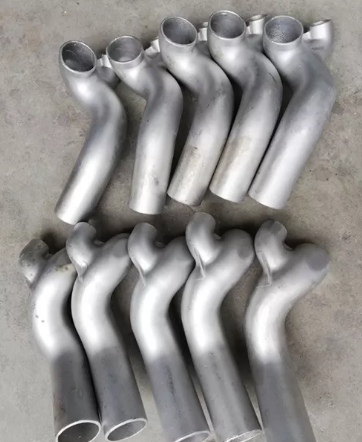
Applications of Stainless Steel Exhaust Manifolds Across Industries
Automotive Industry: Performance and Reliability
The automotive industry is the largest consumer of stainless steel exhaust manifolds. These manifolds are used in high-performance vehicles, passenger cars, and commercial vehicles. Stainless steel’s superior resistance to heat and corrosion ensures that the manifold performs consistently over time, even under the most demanding driving conditions. Whether in turbocharged engines or vehicles with strict emission requirements, stainless steel exhaust manifolds provide the durability and performance needed for modern vehicles.
Industrial Engines and Marine Applications
Stainless steel exhaust manifolds are also used in industrial engines, such as those found in generators, compressors, and heavy machinery. These engines operate under constant stress, generating high temperatures and exposure to harsh environments. Stainless steel manifolds are essential in ensuring these engines remain reliable and efficient throughout their service life. In marine applications, where engines are exposed to saltwater, stainless steel’s corrosion resistance is particularly beneficial, preventing rust and degradation over time.
Aerospace and Military Use: Strength and Efficiency
In aerospace and military applications, stainless steel exhaust manifolds are valued for their high strength-to-weight ratio, durability, and ability to withstand extreme conditions. These properties make stainless steel an ideal material for exhaust systems in aircraft engines and defense vehicles. The material’s ability to perform reliably under high temperatures and harsh environments ensures that these critical systems continue to operate effectively in demanding situations.
How to Choose the Right Supplier for Stainless Steel Exhaust Manifolds
Essential Considerations When Selecting a Supplier
When selecting a supplier for stainless steel exhaust manifolds, manufacturers should prioritize suppliers with deep expertise in stainless steel materials and casting techniques. The supplier must have a solid understanding of the specific grades of stainless steel suitable for exhaust manifolds and be capable of meeting the exact casting and heat treatment requirements. Suppliers who are certified to international quality standards, such as ISO 9001, will ensure that their products meet industry requirements for performance and reliability.
Evaluating Supplier Capabilities and Delivery Reliability
In addition to material expertise, it is essential to evaluate a supplier’s manufacturing capabilities and ability to deliver products on time. Suppliers should offer advanced casting technologies, custom solutions, and rigorous quality control processes to ensure that the exhaust manifolds meet performance specifications. Timely delivery is critical to maintaining production schedules, especially when transitioning from prototype development to mass production.
Conclusion: The Future of Stainless Steel Exhaust Manifolds
Stainless steel casting provides numerous benefits for exhaust manifold design, such as enhanced thermal resistance, corrosion resistance, and flexibility in design. These advantages make it the ideal material for high-performance engines, including those used in automotive and industrial applications. As the demand for fuel-efficient and emission-compliant engines increases, stainless steel exhaust manifolds will continue to play a crucial role in meeting these requirements. Manufacturers should consider using stainless steel casting to stay ahead of industry trends, ensuring high-quality, durable products.
The products from Ningbo Joyo Metal Products Co., Ltd. offer exceptional value with their durable and high-performance stainless steel exhaust manifolds. Their products are designed to meet the evolving demands of modern engines, delivering unmatched strength and longevity. With a focus on quality and performance, Ningbo Joyo Metal Products Co., Ltd. provides solutions that enhance engine efficiency and durability.
FAQ
Q: What is an exhaust manifold and why is it important?
A: An exhaust manifold is a key component of an engine's exhaust system. It collects exhaust gases from the engine’s cylinders and channels them to the rest of the exhaust system. Its design directly affects engine performance, fuel efficiency, and emissions control.
Q: Why is stainless steel preferred for exhaust manifold casting?
A: Stainless steel offers superior thermal and corrosion resistance, making it ideal for exhaust manifolds. It withstands high temperatures and resists cracking or corrosion better than materials like cast iron, ensuring durability and performance over time.
Q: How does stainless steel improve exhaust manifold performance?
A: Stainless steel enhances exhaust manifold performance by allowing smoother internal passages, reducing backpressure, and improving exhaust flow. This leads to better engine power, torque, and fuel efficiency.
Q: What are the advantages of stainless steel exhaust manifolds over cast iron?
A: Stainless steel manifolds are lighter, more resistant to thermal fatigue, and provide better corrosion resistance compared to cast iron. These properties help increase the longevity of the manifold and improve overall engine efficiency.
Q: How does the design of an exhaust manifold impact engine performance?
A: The exhaust manifold’s design impacts how efficiently exhaust gases are expelled, affecting engine power and torque. A well-designed manifold reduces backpressure, enhances scavenging, and contributes to better throttle response and fuel efficiency.

 English
 العربية
 Français
 Русский
 Español
 Português
 Deutsch
 italiano
 日本語
日本語 한국어
한국어 Nederlands
 Tiếng Việt
 ไทย
ไทย Polski
 Türkçe
 አማርኛ
አማርኛ ພາສາລາວ
 ភាសាខ្មែរ
 Bahasa Melayu
 ဗမာစာ
ဗမာစာ தமிழ்
தமிழ் Filipino
 Bahasa Indonesia
 magyar
 Română
 Čeština
 Монгол
 қазақ
қазақ Српски
 हिन्दी
 فارسی
فارسی Kiswahili
 Slovenčina
 Slovenščina
 Norsk
Norsk Svenska
 українська
 Ελληνικά
 Suomi
Suomi עברית
עברית Dansk
Dansk Afrikaans
 Gaeilge
 Eesti keel
 latviešu
 Беларуская мова
 Български
 Català
 Lietuvių
 Lëtzebuergesch
 Македонски