Introduction
Are you looking to maximize your engine's performance? The fuel rail is a critical component, especially in high-performance and high-pressure systems. CNC milled fuel rails provide the precision and durability needed for optimal fuel delivery.
In this article, we will explore how CNC milling enhances fuel rails, focusing on high-pressure and multi-port injection systems. You’ll learn how these advanced fuel rails contribute to improved engine efficiency, reliability, and overall performance.
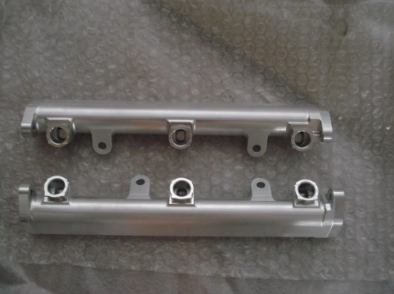
Challenges in High-Pressure Fuel Systems
Understanding High-Pressure Fuel System Functionality
In high-pressure fuel systems, the fuel rail serves as the conduit that transfers fuel from the fuel pump to the injectors. This system is crucial for ensuring that each injector receives a steady, regulated flow of fuel. The pressure and flow must be precisely controlled to maintain the engine’s power and efficiency, especially in high-performance applications.
The CNC milling process ensures that the fuel rail is capable of withstanding these extreme pressures. Unlike conventional methods, CNC milling allows for intricate designs that enhance fuel flow and pressure regulation, which is vital for high-performance applications. The CNC milled fuel rail also plays a significant role in minimizing fuel flow inconsistencies that could lead to engine misfires or performance issues.
High-pressure fuel systems typically operate under demanding conditions, requiring a precise fuel distribution system to maintain engine efficiency and prevent damage. With CNC milled fuel rails, manufacturers can ensure that these systems meet the stringent requirements of performance engines.
Key Material and Precision Needs for High-Pressure Fuel Systems
To ensure the durability and performance of fuel rails, the material choice is paramount. High-strength materials such as aluminum alloys (like 6061-T6) and stainless steel are commonly used due to their corrosion resistance and ability to handle high pressures. CNC machining allows these materials to be shaped into precise geometries, ensuring that the fuel rail performs optimally even under extreme conditions.
The precision of CNC milling is especially important for high-pressure systems. A slight misalignment or flaw in the fuel rail could cause fuel leakage or inconsistent pressure, leading to engine malfunctions. By using CNC milling, manufacturers can achieve the exact tolerances necessary for a reliable fuel delivery system. This is crucial when working with high-pressure systems where even the smallest deviation can lead to performance degradation.
Moreover, the CNC process helps reduce imperfections that are often found in traditional fuel rail manufacturing methods. This means a higher level of quality control and performance reliability.
| Material | Key Benefits | Applications | Corrosion Resistance | Weight | Pressure Resistance |
| Aluminum | Lightweight, Easy to machine, Cost-effective | Motorsport, Aftermarket tuning | High | Low | Moderate |
| Stainless Steel | High strength, Corrosion-resistant | OEM, High-pressure systems | Very High | High | High |
| Titanium | Very high strength-to-weight ratio, Corrosion-resistant | High-performance, Motorsport | Very High | Low | Very High |
Design and Manufacturing Challenges for High-Pressure Fuel Rails
Fuel rails in high-pressure systems must meet specific design requirements, including the ability to withstand high temperatures, pressures, and corrosive fuels. Moreover, the fuel rail must be designed for easy integration with other components like sensors and regulators. In high-performance systems, achieving the right balance between strength, weight, and fuel flow is essential.
CNC milling excels at producing these complex geometries, ensuring that the fuel rail is both durable and compatible with the engine’s design. This precision manufacturing process allows for the creation of components that fit perfectly, reducing the risk of fuel leaks or performance issues. CNC machining’s ability to handle tight tolerances allows fuel rails to be designed with complex internal channels, which improves fuel delivery accuracy and efficiency.
How CNC Milling Improves Multi-Port Injection Systems
The Role of Fuel Rails in Multi-Port Injection
In multi-port fuel injection (MPFI) systems, fuel is injected directly into the intake manifold near each cylinder. This provides better fuel atomization, improving engine efficiency. The fuel rail plays a key role in delivering fuel evenly across all injectors to ensure balanced combustion in all cylinders, which contributes to overall engine performance.
CNC milling is particularly beneficial for multi-port injection systems, as it allows manufacturers to design fuel rails that deliver precise amounts of fuel to each injector. This helps achieve a uniform fuel mixture and optimizes combustion, which is crucial for engine performance, emissions control, and fuel economy. The precision in fuel rail design ensures that each injector receives an equal amount of fuel, which is especially important in multi-port systems where uniformity in fuel distribution is critical for maximizing engine output.
The ability to design and machine multi-port fuel rails with CNC milling technology is a significant advantage in high-performance and racing applications. By ensuring that fuel distribution remains consistent, CNC milled fuel rails can enhance throttle response and overall engine smoothness.
Optimizing Fuel Flow and Distribution with CNC Milling
CNC milling allows for the precise shaping of fuel rails, ensuring smooth, uninterrupted fuel flow. By machining the fuel rail’s internal channels with precision, CNC milling reduces turbulence and flow loss, ensuring that fuel reaches each injector at the correct pressure. These optimized channels minimize fuel flow inconsistencies that could lead to engine inefficiency.
This enhanced fuel flow optimization is vital for high-performance and racing engines, where even slight inconsistencies can cause engine knocking, misfires, or inefficiency. CNC milling not only optimizes the internal geometry of the fuel rail but also ensures that each injector is fed with fuel at the proper pressure and flow rate, crucial for maintaining engine performance.
Customizing Fuel Rails for Multi-Port Systems
Custom CNC milled fuel rails are often required in high-performance engines to ensure proper fuel delivery and fitment. Custom designs can be tailored to meet specific engine layouts, including the number of injectors and their spacing, which varies across different engine types. For example, fuel rails for V-type engines might have different configurations than those for inline engines.
Additionally, integrating 3D printing with CNC milling offers greater flexibility in fuel rail designs. This combination enables manufacturers to create intricate geometries that meet the exact needs of the engine, offering enhanced fuel distribution and flow characteristics. By using this hybrid approach, manufacturers can produce complex, high-precision fuel rails that provide superior fuel delivery performance in multi-port injection systems.
Advantages of CNC Milling for Fuel Rail Performance
| Feature | CNC Milling | Traditional Manufacturing |
| Precision | High precision, tight tolerances | Lower precision, potential for misalignment |
| Material Compatibility | Works with aluminum, stainless steel, titanium | Limited to certain materials |
| Customization | Fully customizable to engine specs | Limited customization options |
| Efficiency | High, reduces material waste | Lower, higher material waste |
| Cost | Generally higher, but cost-effective for small batches | Lower upfront cost, but inefficient for high precision |
Precision CNC Milling for Enhanced Fuel Rail Performance
CNC milling enables the production of fuel rails with exceptional precision, achieving tight tolerances that are difficult to replicate using traditional methods. This level of precision is crucial for ensuring the fuel rail’s sealing surfaces and internal passages are flawless, preventing fuel leaks and performance issues. By minimizing machining errors, CNC milling helps produce fuel rails that operate reliably in demanding high-pressure environments, improving overall engine performance.
This precision is essential not only for structural integrity but also for maintaining consistent fuel flow, which is crucial for engine performance and longevity. The accuracy achieved through CNC milling ensures that fuel rails meet strict standards for fuel delivery and pressure regulation.
Material Compatibility and CNC Milling Benefits
CNC milling is highly versatile and works with a variety of materials, including aluminum and stainless steel. Aluminum is favored for its lightweight properties and ease of machining, while stainless steel is used for its strength and resistance to high temperatures and chemicals. Each material has its benefits depending on the engine's demands.
With CNC milling, manufacturers can produce fuel rails that are tailored to the specific needs of the engine and the operating environment, ensuring long-lasting performance even under high-pressure and high-heat conditions. The ability to select the right material for CNC milling allows manufacturers to meet the precise performance requirements of each engine configuration.
Surface Treatments to Improve Durability and Corrosion Resistance
Once CNC milling is complete, surface treatments such as anodizing or coating are often applied to enhance the fuel rail’s durability and resistance to corrosion. Anodizing improves corrosion resistance, while coatings like ceramic or powder coatings provide additional protection against harsh chemicals and fuels. These treatments also help maintain the aesthetic appeal of the fuel rail by providing a uniform, high-quality finish.
These treatments are especially important for fuel rails used in high-performance or motorsport applications, where exposure to extreme conditions is common. Fuel rails that are anodized or coated are less likely to suffer from wear and tear, ensuring they continue to perform optimally over time.
Tip: Always choose surface treatments that match the operating environment of the fuel rail to maximize its lifespan and reliability, particularly when operating in extreme conditions like high heat or exposure to aggressive fuels.
Why Custom CNC Milled Fuel Rails Are Necessary
Optimizing Engine Performance with Custom Fuel Rails
Custom CNC milled fuel rails are essential for optimizing engine performance, particularly in modified or high-performance engines. These custom rails can be designed to accommodate larger injectors, provide better fuel flow, and maintain stable fuel pressure, all of which are crucial for maximizing engine output. In cases where stock fuel rails are insufficient or incompatible, custom solutions ensure the best possible fuel delivery system for the engine.
Custom fuel rails also ensure better integration with other engine components, leading to a more streamlined and efficient fuel delivery system. By designing the fuel rail to match the specific requirements of the engine, manufacturers can avoid performance bottlenecks and ensure that the system functions as intended.
| Method | Fuel Flow Efficiency | Flow Consistency | Impact on Engine Performance |
| CNC Milling | Very High | Extremely consistent | Improves throttle response, reduces misfires |
| Traditional Milling | Moderate | Inconsistent flow | Can lead to engine inefficiency |
| 3D Printing | High | Variable | Suitable for custom configurations, but less consistent |
Custom vs Standard Fuel Rails: Key Differences
Standard fuel rails may work well in stock engine configurations, but they often fall short in performance applications. Custom CNC milled fuel rails, on the other hand, offer several advantages, including the ability to handle higher pressures, support larger injectors, and deliver fuel more efficiently.
For engines with unique requirements, such as those with forced induction or high-performance tuning, custom fuel rails are a necessity to achieve optimal performance. Custom CNC milled fuel rails can be designed to meet the specific needs of the engine, offering better fuel delivery, enhanced pressure regulation, and improved fuel flow.
| Feature | Custom CNC Milled Fuel Rails | Standard Fuel Rails |
| Customization | Tailored to specific engine needs | Limited to standard configurations |
| Material Choice | Flexible, can choose advanced materials | Limited material options |
| Pressure Handling | Can handle extreme pressures | Often not suitable for high-pressure systems |
| Injector Support | Accommodates larger injectors for performance | May not support high-performance injectors |
| Performance | Optimized for maximum fuel flow and efficiency | May cause inconsistencies in fuel delivery |
Tailored Solutions for High-Pressure and Multi-Port Systems
In both high-pressure and multi-port injection systems, off-the-shelf fuel rails may not provide the precision or performance required. Custom fuel rails allow for tailored solutions that ensure the system meets specific performance goals, such as better fuel distribution, higher pressure tolerance, and enhanced durability. This customization allows for better performance in high-performance and racing engines, where every component plays a vital role in maximizing output.
Tip: When designing custom fuel rails, collaborate with CNC milling experts to ensure that all tolerances and specifications align with the engine’s requirements. Custom fuel rails will help optimize engine performance and efficiency.
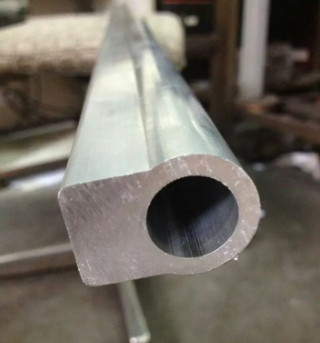
Manufacturing CNC Milled Fuel Rails: The Process
Choosing the Right Materials for CNC Milled Fuel Rails
The material selected for CNC milled fuel rails plays a significant role in the final product’s performance. Materials like aluminum alloys and stainless steel are ideal for their strength, light weight, and resistance to corrosion. The choice of material will depend on the engine’s requirements and the specific conditions the fuel rail will face. Aluminum is often the material of choice for performance applications due to its light weight, while stainless steel is preferred for applications that require high strength and resistance to corrosion.
CNC Milling Process: From Raw Material to Fuel Rail
The CNC milling process begins with selecting the appropriate raw material, followed by precise machining to achieve the desired dimensions and geometry. CNC machines can create complex internal channels and ensure a perfect fit for the injectors and other components. This process ensures that the fuel rail meets tight tolerances and performs reliably under high-pressure conditions.
Ensuring Quality: Measurement and Post-Processing
After machining, quality control measures are implemented to ensure the fuel rail meets all specifications. This includes measuring tolerances, inspecting sealing surfaces, and verifying that all internal channels are clean and free of debris. Post-processing treatments like anodizing or coating further improve the fuel rail’s performance and lifespan. These measures ensure that the final product is of the highest quality, capable of performing under extreme conditions.
Conclusion
CNC milled fuel rails are crucial for high-pressure and multi-port injection systems, providing precise fuel delivery and enhancing engine performance. These custom fuel rails optimize fuel flow, pressure regulation, and engine efficiency. Whether for aftermarket tuning or high-performance engines, CNC milling offers the precision required for modern fuel systems.
With the ability to withstand extreme conditions and ensure accurate fuel delivery, CNC milled fuel rails are vital for achieving peak engine efficiency and reliability. They are indispensable in high-performance automotive setups.
Ningbo Joyo Metal Products Co., Ltd. offers custom CNC milled fuel rails that meet the rigorous demands of performance engines, ensuring durability and precision in every component.
FAQ
Q: What is a CNC milled fuel rail?
A: A CNC milled fuel rail is a precisely manufactured component used in fuel injection systems. It ensures accurate fuel delivery and pressure regulation, especially in high-performance and high-pressure systems.
Q: How does CNC milling improve fuel rail performance?
A: CNC milling enhances fuel rail performance by ensuring precise tolerances and custom geometries, allowing for optimized fuel flow and distribution, which improves engine efficiency and reliability.
Q: Why are CNC milled fuel rails important for high-pressure systems?
A: CNC milling fuel rails are essential for high-pressure systems because they can handle extreme pressures, providing stable fuel delivery and preventing fuel leaks or inconsistent pressure.
Q: How are CNC milled fuel rails customized for multi-port injection systems?
A: Custom CNC milled fuel rails are tailored to meet the specific layout and injector spacing of multi-port injection systems, ensuring precise fuel delivery to each injector for optimal engine performance.
Q: What materials are used for CNC milled fuel rails?
A: CNC milled fuel rails are typically made from high-strength materials such as aluminum alloys and stainless steel, chosen for their durability, corrosion resistance, and ability to withstand high pressure.

 English
 العربية
 Français
 Русский
 Español
 Português
 Deutsch
 italiano
 日本語
日本語 한국어
한국어 Nederlands
 Tiếng Việt
 ไทย
ไทย Polski
 Türkçe
 አማርኛ
አማርኛ ພາສາລາວ
 ភាសាខ្មែរ
 Bahasa Melayu
 ဗမာစာ
ဗမာစာ தமிழ்
தமிழ் Filipino
 Bahasa Indonesia
 magyar
 Română
 Čeština
 Монгол
 қазақ
қазақ Српски
 हिन्दी
 فارسی
فارسی Kiswahili
 Slovenčina
 Slovenščina
 Norsk
Norsk Svenska
 українська
 Ελληνικά
 Suomi
Suomi עברית
עברית Dansk
Dansk Afrikaans
 Gaeilge
 Eesti keel
 latviešu
 Беларуская мова
 Български
 Català
 Lietuvių
 Lëtzebuergesch
 Македонски